Blog Details
21Oct
The Chaityas You Would Walk Past: Discovering Kathmandu's Hidden Buddhist Heritage
Kathmandu is often introduced through its famous Buddhist landmarks, particularly Swayambhunath and Boudhanath, where large stupas draw pilgrims and visitors throughout the year. Yet the Buddhist heritage of Kathmandu extends far beyond these celebrated monuments. Across the city's older neighbourhoods, small chaityas stand beside traditional houses, within courtyards, along narrow streets, and in spaces where religious practice remains closely connected to everyday life. Many travellers pass these places without realising their significance.
These smaller monuments offer another way to understand Buddhism in Nepal. They reveal how Buddhist beliefs became part of the historic urban landscape, how Newar communities developed distinctive architectural and religious traditions, and how sacred spaces continue to function within a busy modern city. Unlike major pilgrimage sites that are immediately recognisable, many chaityas are woven into the ordinary surroundings of Kathmandu, requiring visitors to slow down and look more closely.
Scattered throughout Kathmandu’s historic neighbourhoods, chaityas reflect a long tradition of Buddhist worship that extends beyond the valley’s major stupas. Often found within traditional courtyards, along narrow streets, and beside old Newar houses, these monuments are closely connected to the religious and communal life of the city. Exploring their significance reveals the distinctive character of Newar Buddhism and the history preserved within Kathmandu’s everyday urban landscape.
Beyond Kathmandu's Famous Buddhist Stupas
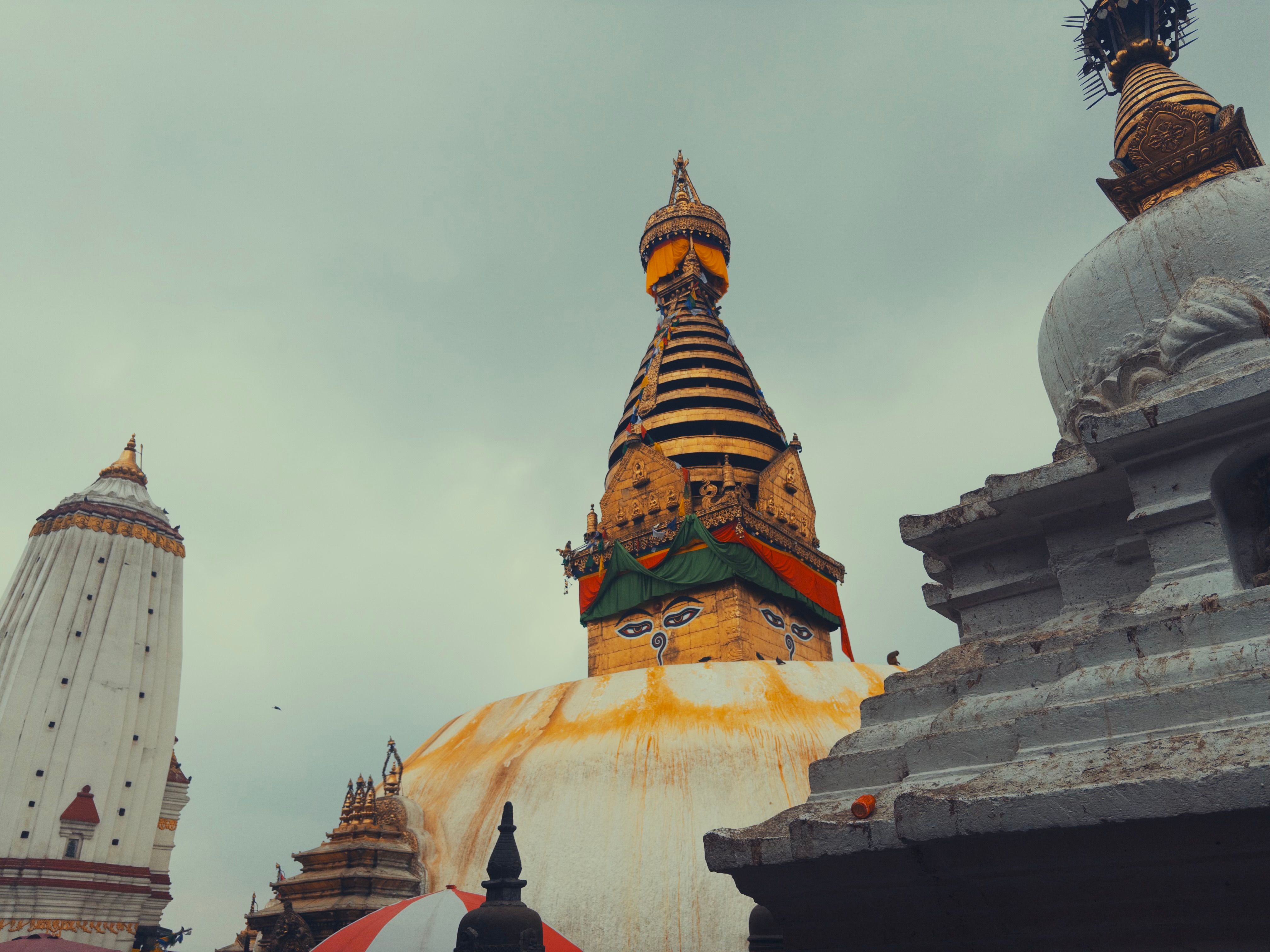
When people search for Buddhist sites in Kathmandu, Swayambhunath and Boudhanath usually come to mind first. Both are important centres of Buddhist worship, but they represent only part of the Buddhist heritage of the Kathmandu Valley. Swayambhunath occupies a hill overlooking the city, while Boudhanath forms the centre of a major pilgrimage landscape associated especially with Tibetan Buddhist traditions. Their monumental scale makes them easy to recognise, but Buddhist practice in Kathmandu has also developed through smaller shrines, neighbourhood courtyards, monasteries, and chaityas distributed throughout the historic city.
The wider history of the Kathmandu Valley helps explain why these smaller sites matter. Buddhism has a long history in the region, and over centuries it developed alongside Hindu traditions within the same urban communities. The Newars, the Indigenous inhabitants of the Kathmandu Valley, played a central role in shaping its distinctive religious architecture, sculpture, metalwork, and ritual traditions. The valley's historic settlements consequently contain religious spaces that do not always fit neatly into the categories visitors might expect. Buddhist and Hindu imagery, shared festivals, and overlapping sacred traditions form part of the region's cultural history.
Exploring Kathmandu beyond its principal monuments therefore means looking at how religion is embedded in the city itself. A small chaitya in a residential courtyard may not have the scale of Boudhanath, but it can reveal how Buddhist devotion is incorporated into neighbourhood life. For anyone researching historical places in Kathmandu or seeking unique places to visit in Kathmandu, these smaller sites provide a more intimate perspective on the city's cultural heritage. They also make a heritage walk particularly rewarding, as the meaning of the city often becomes clearer in its alleys and courtyards than from its most famous viewpoints.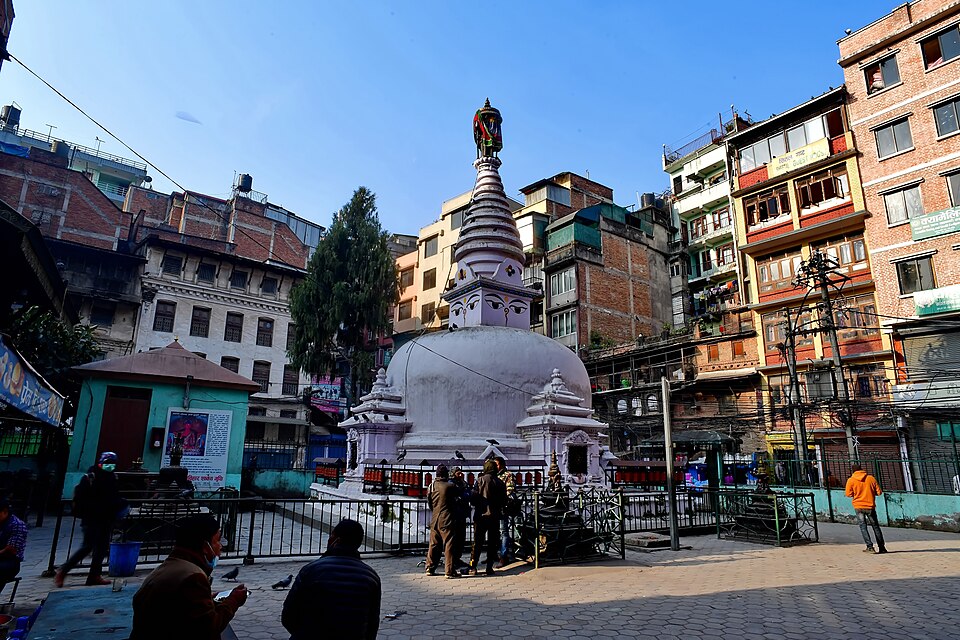
What Is a Chaitya? Understanding Kathmandu's Small Buddhist Monuments
A chaitya is a sacred Buddhist monument, commonly associated with the stupa form. In Buddhist tradition, stupas developed as structures associated with relics, remembrance, and veneration, and they became important objects of devotion across Asia. In Nepal, the terms chaitya and stupa can overlap in everyday descriptions, although their usage varies with language, architectural context, and local tradition. Many chaityas in the Kathmandu Valley are smaller monuments that serve as focal points for prayer and offerings rather than monumental structures intended to dominate an entire landscape.
The form of a chaitya is not merely decorative. Its architectural structure carries religious meaning, and its presence marks a place for devotion, remembrance, and the expression of Buddhist beliefs. Depending on the monument, visitors may encounter a rounded dome, a stepped or tiered base, a central spire, sculpted figures, or other symbolic details. Some chaityas stand independently along streets or at intersections, while others occupy the centre of courtyards or appear in groups alongside other sacred images. Their materials and styles vary, reflecting different periods of construction, restoration, and local artistic practice.
For visitors wondering what chaityas in Nepal are and how they differ from the famous stupas, scale and setting offer a useful starting point. A large stupa such as Swayambhunath serves as a major religious landmark, while a smaller chaitya may form part of the everyday sacred geography of a neighbourhood. However, size alone does not determine religious importance. A modest monument may hold significance for the people who worship there, maintain it, or include it in regular ritual practices. Understanding this distinction helps visitors appreciate Buddhist architecture in Nepal as a living tradition rather than simply a collection of historic buildings.
Hidden in Plain Sight: Chaityas in Kathmandu's Streets and Courtyards
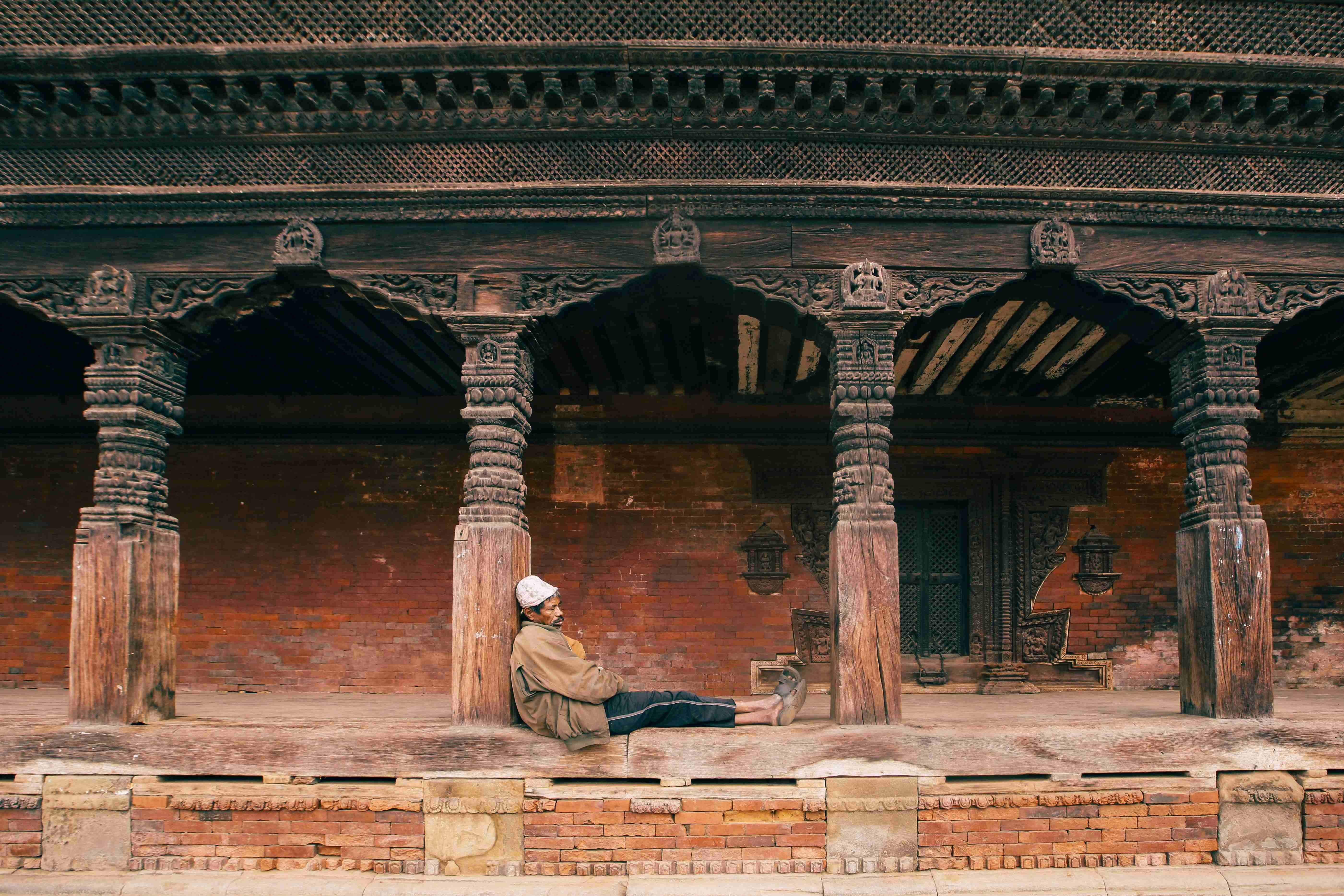
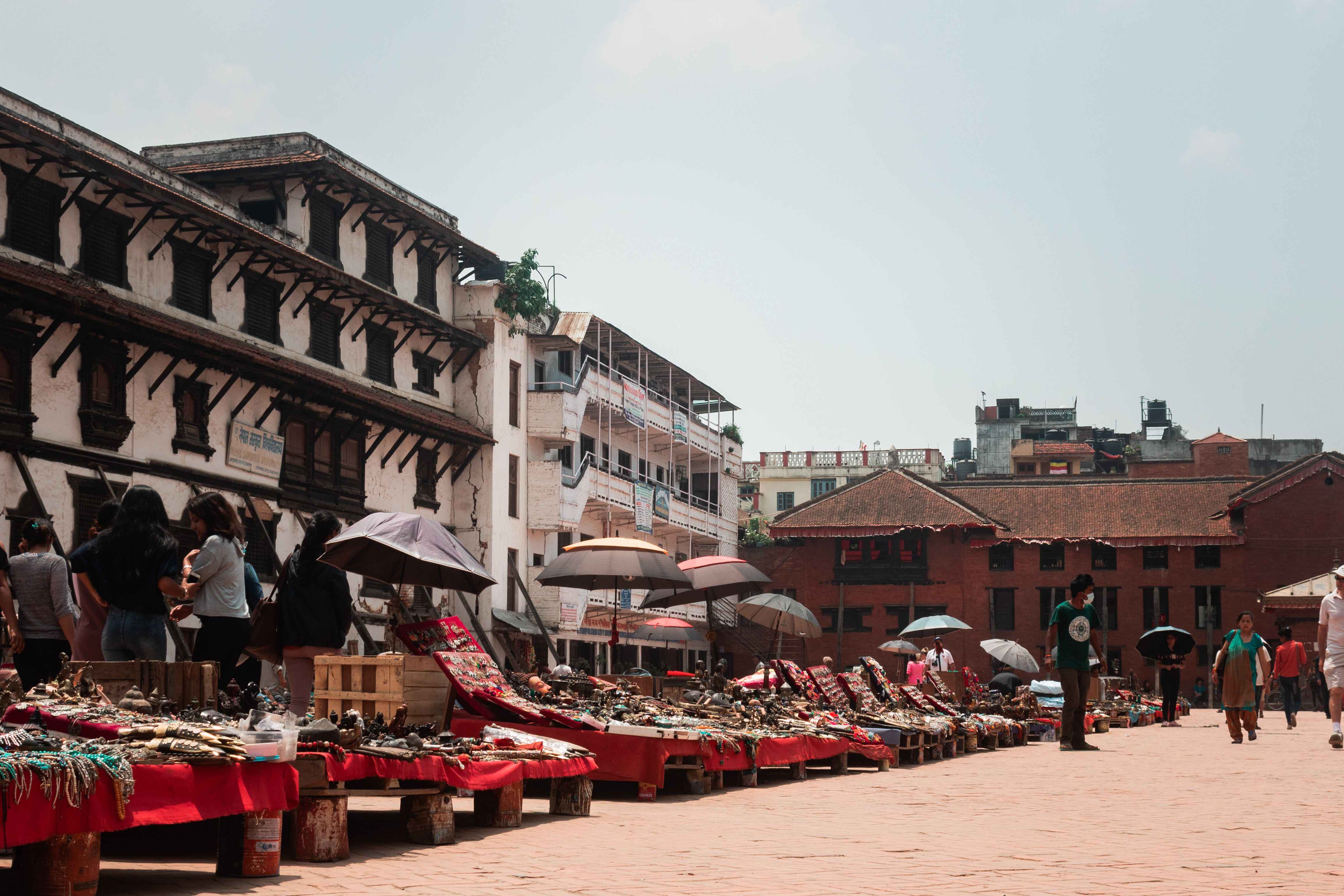
One of the most distinctive aspects of Kathmandu's Buddhist heritage is the way sacred monuments occupy ordinary urban spaces. Chaityas appear in narrow lanes, open courtyards, near traditional houses, and beside other religious structures. Their surroundings may include shops, residential entrances, water spouts, and small shrines. This reflects the historic development of the city, where religious life, domestic architecture, and community activities grew together.
The area around Itum Bahal and Kathesimbu Stupa offers opportunities to explore this heritage beyond Kathmandu's principal monuments. Kathesimbu is a smaller stupa complex associated with Swayambhunath, surrounded by other sacred features, including a shrine dedicated to Harati and a Tibetan Buddhist monastery. Nearby, Dharmadhatu Stupa adds another point of interest for those exploring the city's Buddhist courtyards and traditional monasteries. Its distinctive chaitya and surrounding Buddhist imagery offer a glimpse into the religious life preserved within Kathmandu's older neighbourhoods.
These sites are easy to overlook when sightseeing focuses on major landmarks and short transfers between attractions. Walking through the older streets reveals how chaityas relate to their surroundings and remain part of the city's everyday landscape. For those searching for hidden places in Kathmandu, these lesser-known Buddhist sites offer a rewarding reason to explore on foot and discover details that a hurried visit might miss.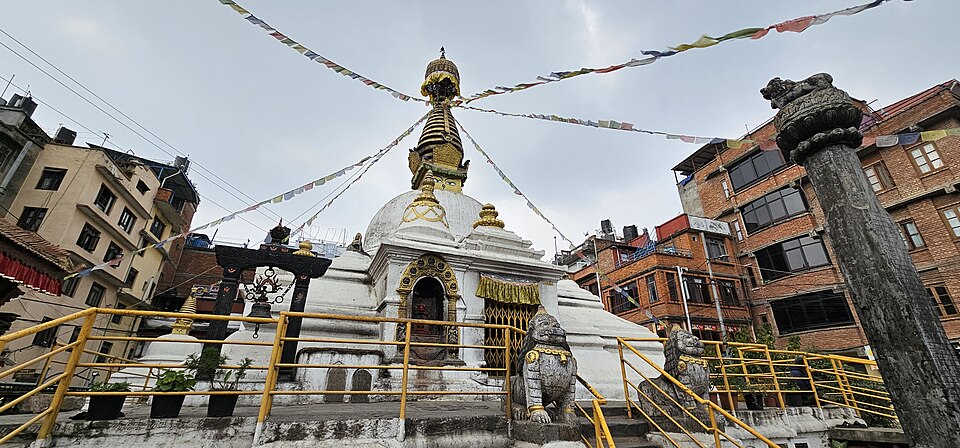
Inside the Bahals: The Courtyards of Newar Buddhist Life
A bahal is a traditional courtyard complex associated with Newar Buddhist religious and community life. These courtyards are important features of the historic settlements of the Kathmandu Valley, particularly in Kathmandu and Patan. They commonly contain shrines, images, ritual spaces, and buildings arranged around an open central area, with entrances connecting them to the surrounding lanes. Their architecture reflects the craftsmanship for which Newar settlements are known, including carved timber, brickwork, stone sculpture, and metal images. A bahal is not simply an attractive historic courtyard; it is part of a social and religious environment shaped by generations of community practice.
Itum Bahal is one of the notable Buddhist courtyard complexes in Kathmandu. The Nepal Tourism Board identifies its courtyards, including Saraswati Nani and Green Tara Nani, as significant features of the site. The complex demonstrates how Buddhist worship in the city can be organised around interconnected sacred spaces rather than one isolated monument. The presence of different shrines and religious figures within the same setting also reflects the breadth of devotional life in the valley, where Buddhist practices have developed through established local traditions and connections between communities, ritual specialists, and sacred images.
In Kathmandu’s traditional Newar settlements, bahals function as more than architectural courtyards. They are historic centres of Buddhist worship, surrounded by shrines, chaityas, religious images, and buildings connected to community life. Their arrangement reflects how religious practice and social relationships have evolved together over generations. Examining these courtyards alongside their chaityas reveals how Newar Buddhism is rooted in the city’s architecture, collective traditions, and continuing forms of worship.
Understanding Newar Buddhism Through Everyday Sacred Spaces
Newar Buddhism is a distinctive Buddhist tradition that developed within the cultural and historical setting of the Kathmandu Valley. It is strongly associated with Mahayana and Vajrayana Buddhist practices, with an important body of ritual, artistic, textual, and philosophical traditions preserved by Newar Buddhist communities. Historically, the valley became a significant centre for the preservation and transmission of Buddhist learning, including Sanskrit Buddhist manuscripts and tantric traditions. Newar Buddhist religious life developed through its own institutions and hereditary ritual roles, rather than following exactly the same institutional structure as Tibetan monastic Buddhism.
The religious specialists and communities associated with Newar Buddhism have helped sustain practices that connect sacred images, ritual ceremonies, festivals, and everyday worship. Vajracharya and Shakya communities, for example, have historically played important roles within Newar Buddhist institutions, although their social and religious roles are distinct and should not be treated as interchangeable. Buddhist courtyards, shrines, and chaityas provide settings in which these traditions are expressed and maintained. Their significance is therefore not limited to architectural age or artistic quality; they also belong to a wider network of religious relationships, community responsibilities, and inherited practices.
Newar Buddhism has developed through centuries of religious practice, artistic expression, and community traditions in the Kathmandu Valley. Although Nepal is also home to Tibetan Buddhist traditions, particularly visible around Boudhanath, Newar Buddhism has its own historical foundations, ritual practices, and religious institutions. The chaityas and bahals scattered throughout Kathmandu reflect this distinct heritage, preserving connections between Buddhist teachings, traditional architecture, and the everyday religious life of Newar communities.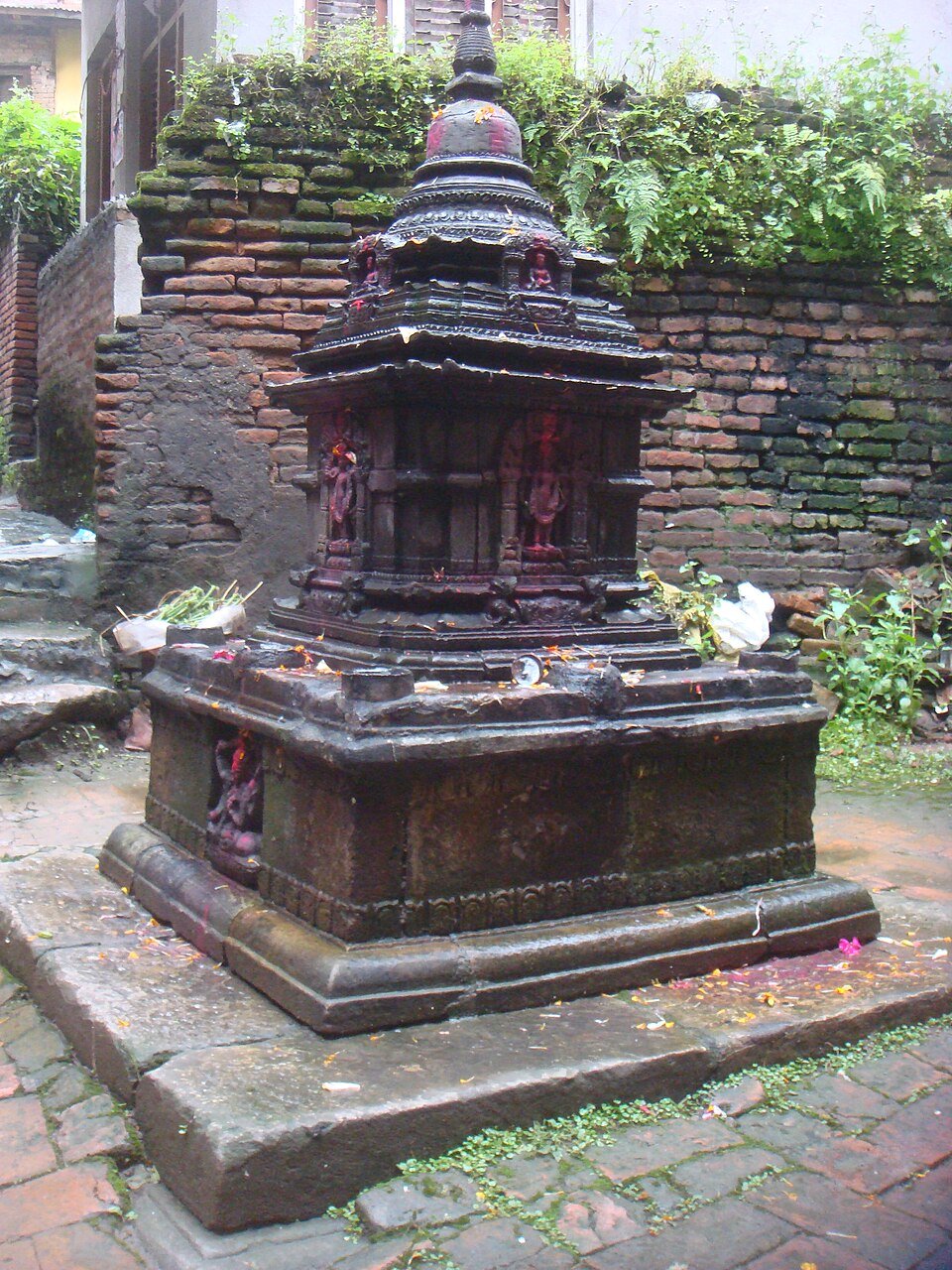
The Details You Might Overlook: Architecture, Images, and Symbolism
The artistic details of a chaitya often reveal more than its size or outward appearance. Looking closely, visitors may notice the shape of its base and dome, the arrangement of sculpted figures, the use of stone or brick, and the relationship between the monument and surrounding shrines. In the Kathmandu Valley, traditional craftsmanship developed through generations of work in brick, stone, timber, and bronze. These materials appear throughout the region's religious architecture, from major stupas and temple complexes to the smaller monuments that occupy neighbourhood spaces. The details differ from site to site, so it is best to observe each monument rather than assume that every chaitya follows the same design.
Images associated with chaityas and bahals can also provide clues to the religious traditions practised there. Visitors may encounter representations of Buddhas, bodhisattvas, protective deities, or other figures connected with local forms of Buddhist devotion. Their placement, attributes, gestures, and accompanying symbols can carry specific meanings within Buddhist iconography. However, identifying a figure accurately may require knowledge of its attributes and local context. A guide familiar with Newar Buddhist traditions can help explain these details and distinguish between what is established by iconographic evidence and what is understood through local religious interpretation.
Architecture also shows how Kathmandu's heritage has changed over time. Some monuments preserve older artistic features, while others have been rebuilt, repaired, or altered as communities continued to use them. The 2015 earthquake caused serious damage to historic structures across the valley, including the Swayambhu religious complex. The subsequent reconstruction of Mangal Bahudwar Chaitya, also known as the Tashi Gomang Stupa, involved recovering and documenting large numbers of sacred objects before restoring the monument. This example illustrates why a building's visible age does not always tell its full story. The history of a chaitya may include several periods of construction, restoration, worship, and community care.
Living Heritage: How Chaityas Remain Part of Daily Life
The importance of Kathmandu's chaityas lies partly in the fact that many remain connected to active religious practice. Depending on the site and local custom, people may approach a monument to make offerings, light butter lamps or other devotional lights where permitted, recite prayers, or walk around it as an act of reverence. Flowers, incense, and other offerings may appear around shrines, while festival periods can bring additional activity to neighbourhood religious spaces. These practices are not identical everywhere, and visitors should recognise that a small courtyard monument may be part of a community's ongoing spiritual life rather than a display created for sightseeing.
The relationship between Buddhist heritage and daily life is particularly visible in the older Newar settlements, where religious buildings are closely integrated with homes, courtyards, local businesses, and community spaces. The same lane that leads to a chaitya may also connect residents to a neighbourhood shrine, a traditional courtyard, or a larger temple complex. Religious observances and festivals can bring these spaces into wider public view, but their importance continues beyond special occasions. The heritage is therefore both tangible and intangible: the physical monument matters, as do the rituals, stories, skills, and relationships that give it meaning.
This living dimension is central to understanding Kathmandu cultural heritage. Preservation is not only about maintaining brickwork, carved wood, or stone images; it also involves recognising the communities and practices connected to them. Visitors can contribute to a respectful encounter by keeping voices low in active worship spaces, asking before photographing people or ceremonies, following posted restrictions, and avoiding touching sacred images or offerings. Approaching these sites with care makes it easier to appreciate them as places of religious significance, not simply as hidden attractions to be discovered.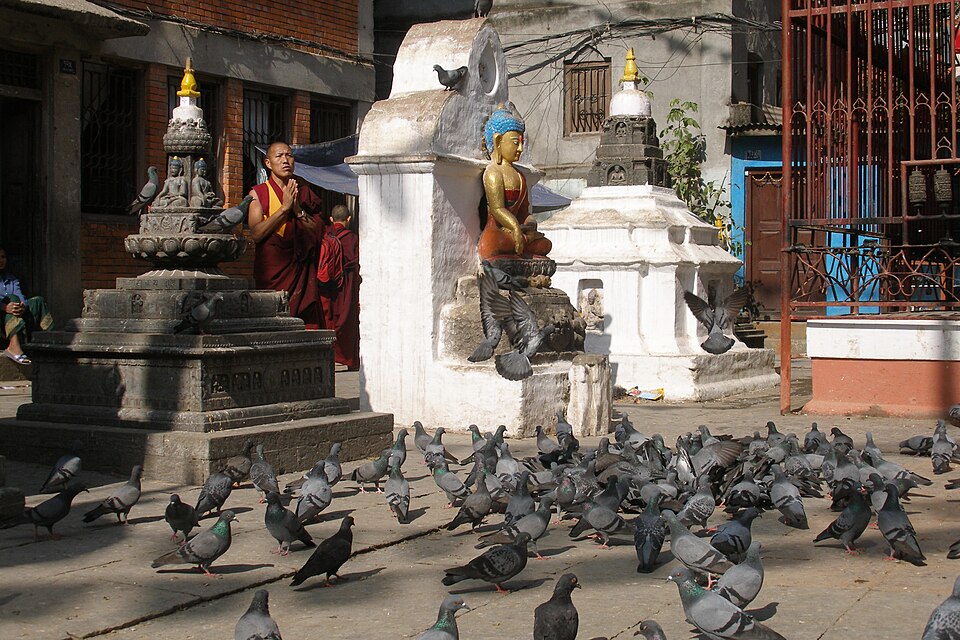
Discovering Kathmandu's Buddhist Heritage Beyond the Main Attractions
For first-time visitors, the best-known Buddhist sites remain valuable introductions to Buddhism in Kathmandu. Swayambhunath provides a landmark setting with a long history of Buddhist worship, while Boudhanath offers a major pilgrimage environment shaped by Tibetan Buddhist traditions. But travellers interested in a fuller picture of Buddhist heritage in Kathmandu can complement these visits with smaller chaityas, traditional bahals, and neighbourhood shrines. Such places reveal how Buddhism has been embedded in the city's streets and courtyards, and how religious life developed alongside the architecture and social history of Newar communities.
A walking route through the historic centre can include Jana Bahal, associated with the worship of Seto Machhindranath by both Hindu and Buddhist devotees, followed by Itum Bahal and Kathesimbu Stupa. These sites should not be treated as interchangeable examples: each has its own history, religious associations, architecture, and community setting. Together, however, they offer a useful introduction to the diversity of Buddhist sites in Kathmandu and to the overlapping religious traditions that characterise the valley. Visitors with more time can extend their exploration to Patan, where historic Buddhist courtyards and monasteries, including Hiranya Varna Mahavihar and Rudra Varna Mahavihar, provide further insight into the region's Newar Buddhist heritage.
The smaller chaityas and historic bahals of Kathmandu offer a glimpse into the Buddhist traditions that have shaped the valley over generations. Their significance lies not only in their architecture but also in the rituals, community practices, and religious beliefs associated with them. From a modest shrine tucked into a narrow alley to a traditional courtyard containing centuries-old sacred images, these spaces reveal how Newar Buddhism became part of Kathmandu’s urban and cultural identity. Together, they form an important part of the valley’s Buddhist heritage, extending far beyond its best-known stupas and monasteries.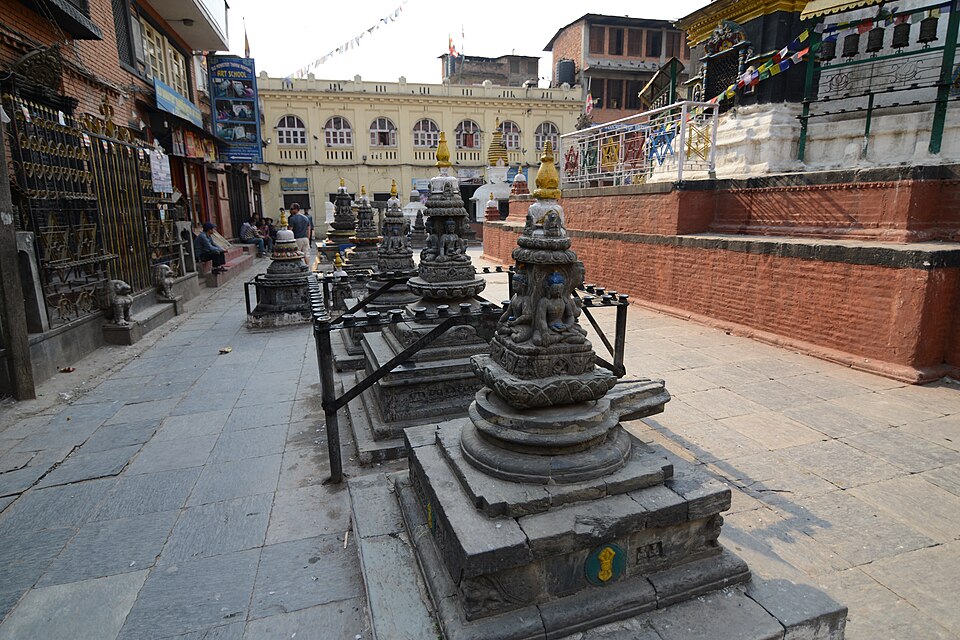
Seeing Kathmandu Through Its Hidden Buddhist Heritage
The chaityas scattered across Kathmandu offer a way to look beyond the city's most familiar monuments and understand how Buddhism has shaped its historic neighbourhoods. From the form and symbolism of small Buddhist monuments to the courtyards of traditional bahals, these places connect architecture with the religious and cultural life of Newar communities. Their significance becomes clearer when they are considered as part of a living urban landscape rather than as isolated historic objects.
For anyone interested in Buddhist sites in Nepal, a visit to Kathmandu can be an opportunity to explore several layers of Buddhist history and practice. The monumental stupas provide an essential introduction, while smaller chaityas and bahals reveal more local histories, forms of devotion, and traditions of craftsmanship. Together, they demonstrate the richness and diversity of Buddhism in the Kathmandu Valley.
The next time you walk through Kathmandu's older streets, take a moment to notice the small monuments tucked beside buildings or within courtyards. One of them may lead you to a deeper understanding of Newar Buddhism and the city's hidden Buddhist heritage, showing that some of Kathmandu's most meaningful cultural discoveries are not always the places that stand out at first glance.
Explore Kathmandu’s Hidden Buddhist Heritage
Frequently Asked Questions
1. What are chaityas in Nepal?
Chaityas are sacred Buddhist monuments commonly associated with the stupa form. In Nepal, many chaityas are smaller structures found along streets, within traditional courtyards, and beside historic houses. They serve as places of Buddhist devotion and remain an important part of the Kathmandu Valley’s cultural heritage.